
8A+
THE ORIGINAL
Take on La Boule’s iconic sequence at its original grade and try the move made famous by Patrick Edlinger.


I was born in 1976
A cliff legend moves indoors.
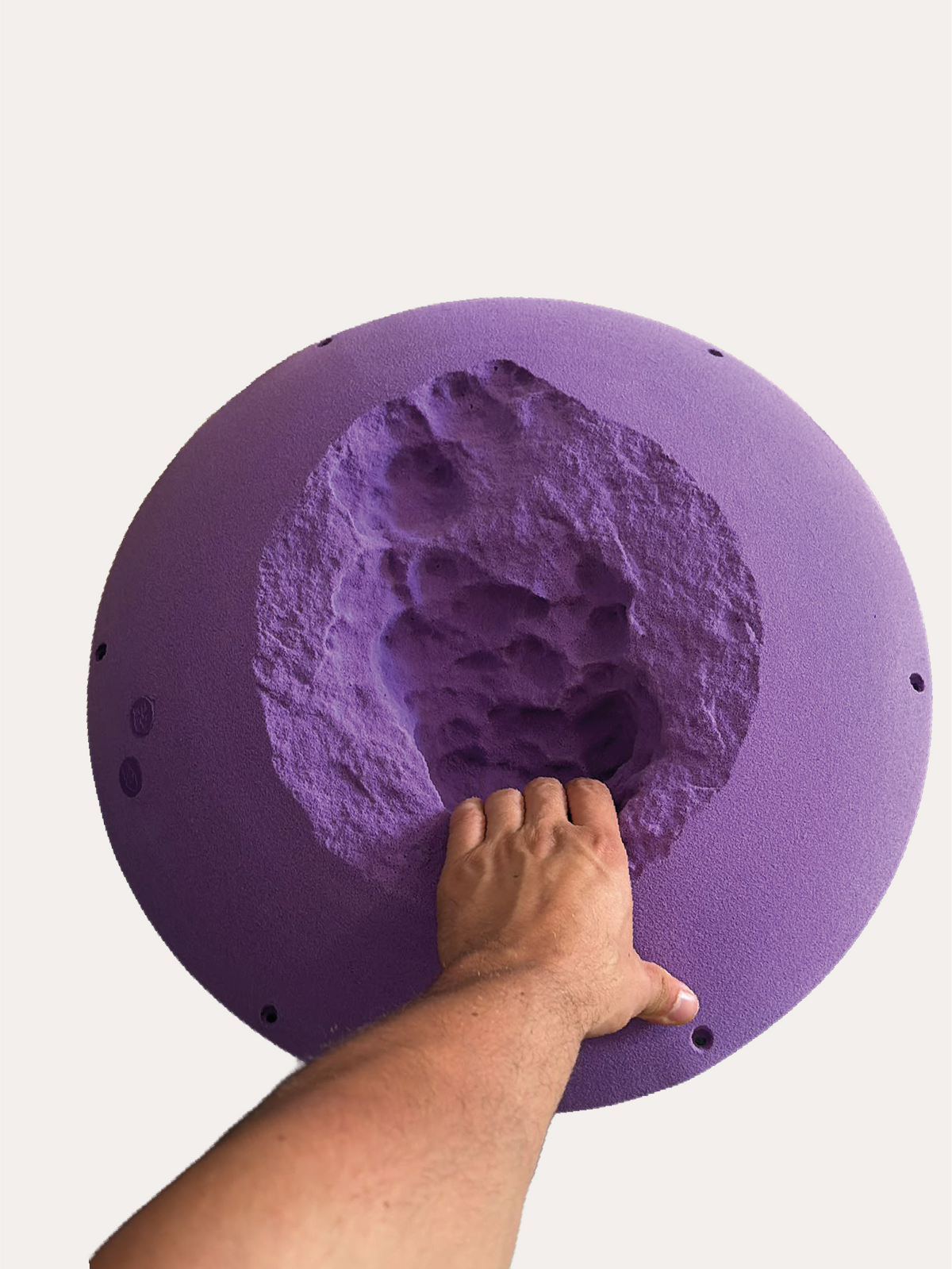
La Boule, the first 8a+ in history, freed by Patrick Edlinger, reproduced from the original rock.
What if you could climb a piece of history ?
In 1984, Patrick Edlinger free-climbed La Boule at Sainte-Victoire. More than 40 years later, Beal went back to the cliff to scan the holds from his most iconic ascent and reproduce them on climbing gym walls across Europe.
The rock stayed at Sainte-Victoire. The movement is going on tour.
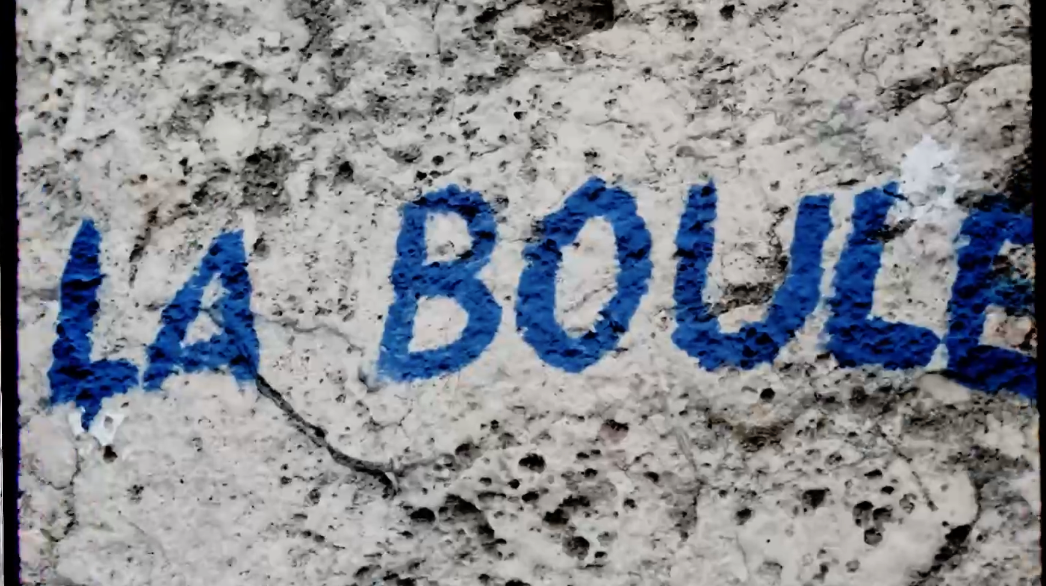

To take La Boule across Europe, we first had to return to where it all began: the cliffs of Sainte-Victoire.
BlokCorp joined Beal on site to document the project, revisit the route and capture the first stage of its transformation.
From rock to indoor holds, the Heritage Tour starts here.

SCANNED ON THE ROCK
To faithfully reproduce La Boule, BlokCorp joined Beal at Sainte-Victoire to 3D-scan the holds from the route's most iconic section.
Every shape, contour, and rough edge of the rock was captured directly on the cliff to create as faithful a digital copy as possible.
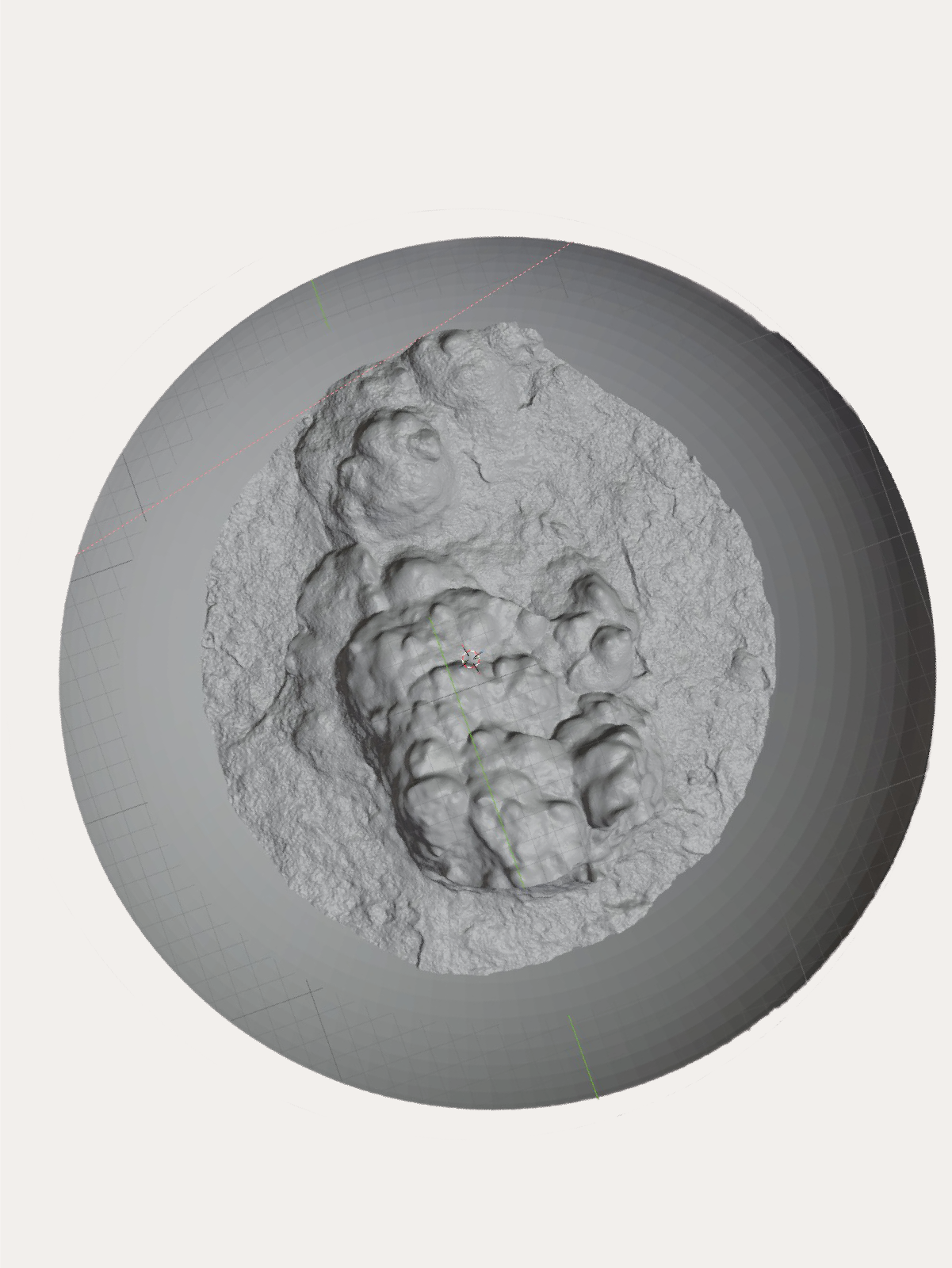
PERFECTING THE SCAN
The scan captures the cliff down to the smallest detail, but the work doesn't stop there.
Each hold then goes through a 3D cleanup and refinement phase on computer: removing scan artifacts, correcting incomplete areas, adjusting volumes, and checking the contours.
The goal isn't to alter the rock, but quite the opposite — to preserve its original geometry as closely as possible, resulting in a clean, precise digital model ready for the next step of the process.
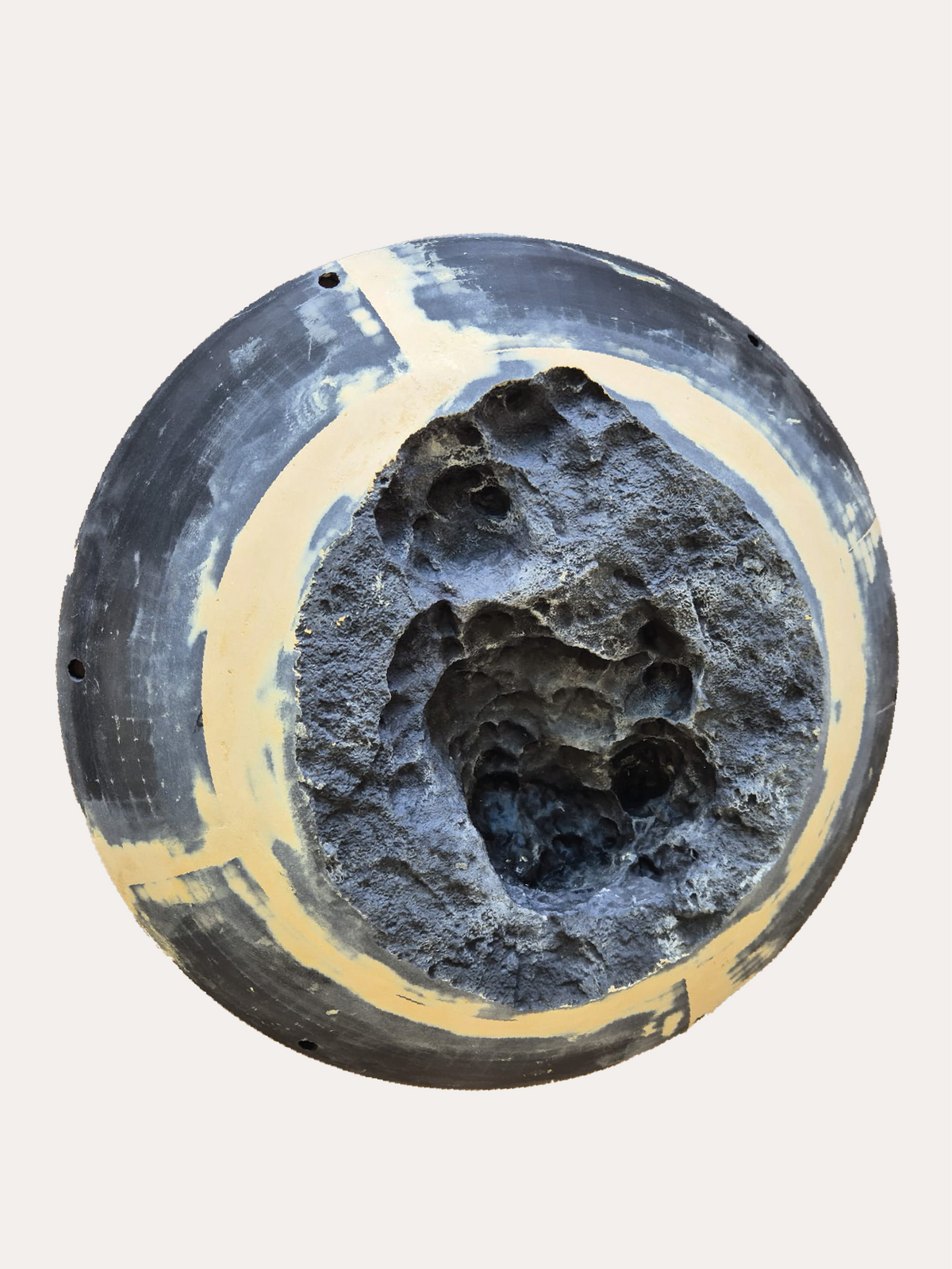
FROM ROCK TO 3D
The level of detail on the holds made traditional foam shaping impossible.
Using the scans taken on the cliff, each hold was therefore turned into a physical model through high-precision additive manufacturing (3D printing), which was then used to create the molds needed for reproduction.
RECREATED IN THE GYM
From these models, Volx designed the molds and then manufactured the resin holds for the Heritage Tour.
The relief of Sainte-Victoire can now travel from gym to gym, ready to be climbed by a new generation.
SCANNED ON THE ROCK
To faithfully reproduce La Boule, BlokCorp joined Beal at Sainte-Victoire to 3D-scan the holds from the route's most iconic section.
Every shape, contour, and rough edge of the rock was captured directly on the cliff to create as faithful a digital copy as possible.
PERFECTING THE SCAN
The scan captures the cliff down to the smallest detail, but the work doesn't stop there.
Each hold then goes through a 3D cleanup and refinement phase on computer: removing scan artifacts, correcting incomplete areas, adjusting volumes, and checking the contours.
The goal isn't to alter the rock, but quite the opposite — to preserve its original geometry as closely as possible, resulting in a clean, precise digital model ready for the next step of the process.
FROM ROCK TO 3D
The level of detail on the holds made traditional foam shaping impossible.
Using the scans taken on the cliff, each hold was therefore turned into a physical model through high-precision additive manufacturing (3D printing), which was then used to create the molds needed for reproduction.
RECREATED IN THE GYM
From these models, Volx designed the molds and then manufactured the resin holds for the Heritage Tour.
The relief of Sainte-Victoire can now travel from gym to gym, ready to be climbed by a new generation.
TWO WAYS TO CLIMB IT
Take on La Boule’s iconic sequence at its original grade and try the move made famous by Patrick Edlinger.
The same holds scanned from the crux, set into a more accessible route created by the route setters at each gym.
A movement turned into legend
A dyno on slab as spectacular as it is unexpected. More than 40 years later, it's waiting for the next climber.
It could be you.
BEAL HERITAGE TOUR
HERITAGE TOUR · SEPT → NOV 2026
25 gyms, 9 countries, one tour across Europe. Find the stop closest to you.
Arkose Pantin
FranceNewrock
BelgiumAltissimo
FranceDublin Climbing Center
IrelandWestway
United KingdomThe Boardroom Climbing LTD
United KingdomThe North West Face
United KingdomVitam UCPA
FranceMineral Spirit
FranceEICA Ratho
ScotlandGlasgow Climbing Center
ScotlandKletteranlage Klostemeuburg
AustriaKletterhalle Gaswerk
SwitzerlandKletterhalle Gaswerk
Switzerland24 Hours on the Wall
FranceAltissimo Montaudran
FranceUCPA
FranceEl Cap
FranceBiwak Climbing
SpainEspace Vertical 3
FranceClimbing District
ItalyNatural Climb
SpainAltissimo
FranceClimbat La Foixarda
SpainClimbat Madrid
Spain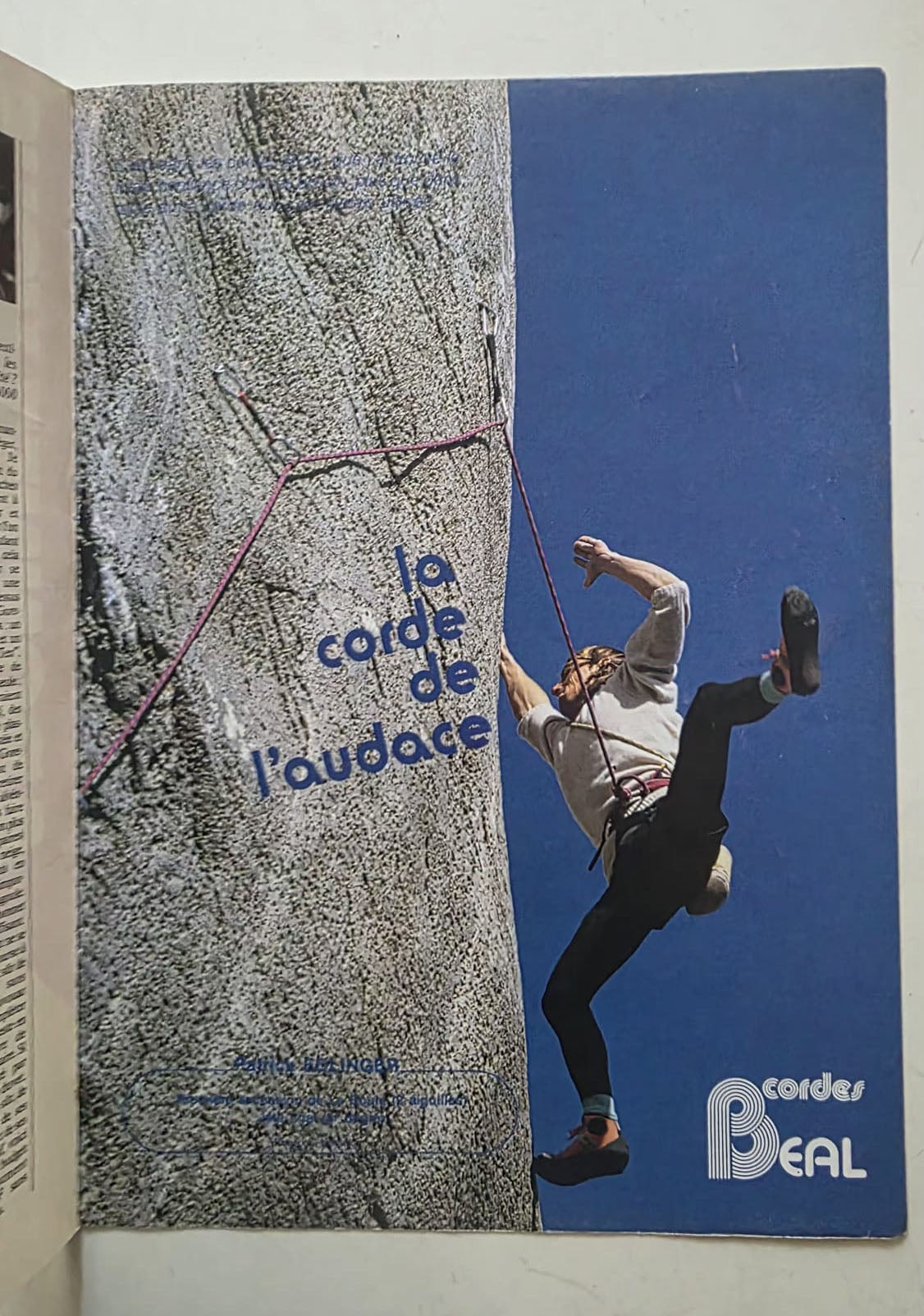
Why La Boule ?
La Boule wasn't chosen at random.
Free-climbed by Patrick Edlinger in 1984 and considered one of the first 8a+ routes in history, this Sainte-Victoire climb is deeply tied to Beal's early days.
Patrick Edlinger joined Beal in 1978. At the time, Michel Beal was developing the brand's first ropes, and a friendship grew between the two men.
A few years later, one of Beal's very first advertisements showed Edlinger on La Boule, belayed with a Beal rope.
The route also has a movement that's become legendary: a dyno on slab, instantly recognizable.
A story tied to Beal.
A route that left its mark on climbing.
A move you'll want to try.
It's actually a form of bodily expression, just like dance, except the choreography is dictated by the holds: it's the vertical opera.
1951
Where it all Began
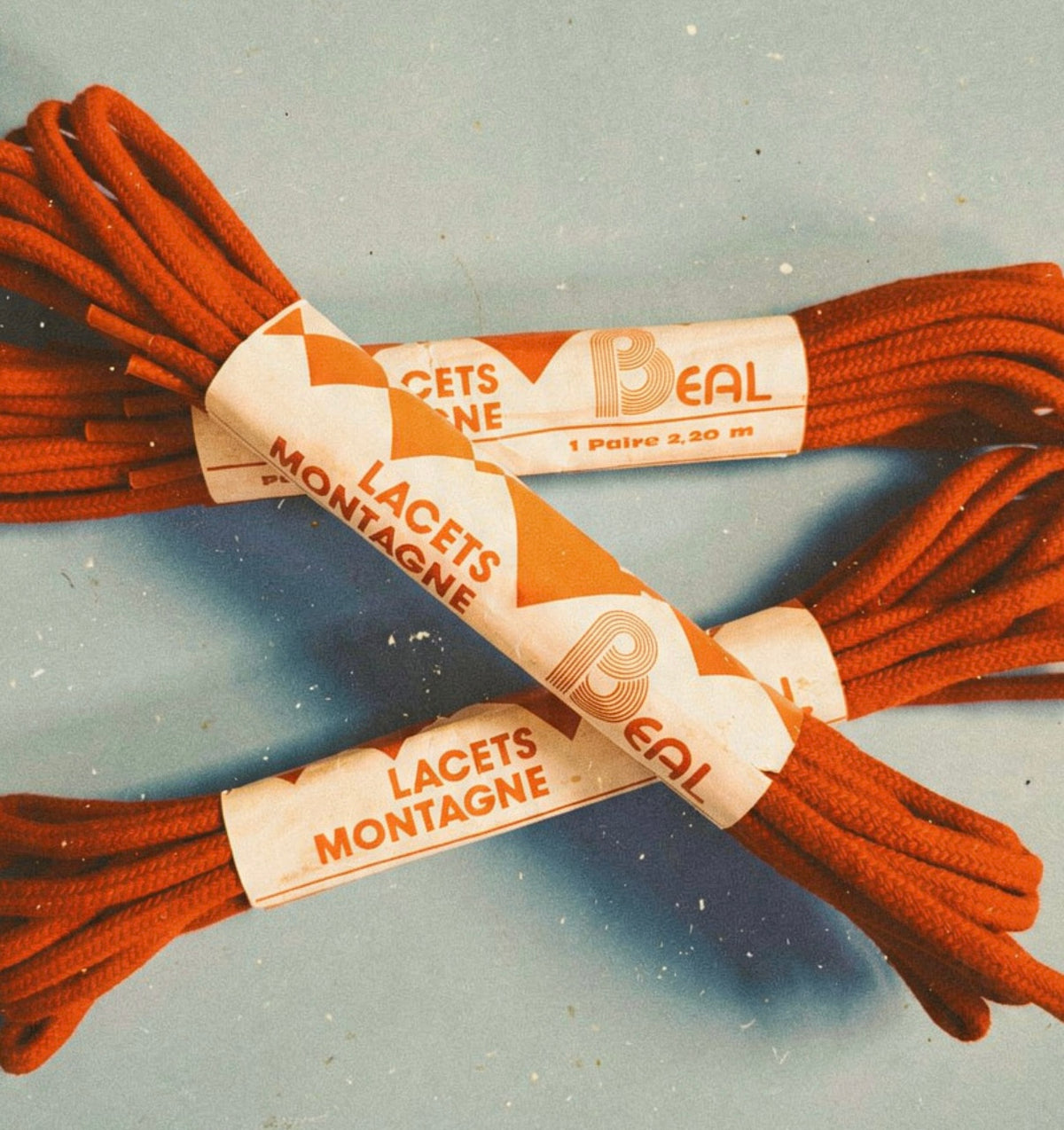
Pierre and Janine Beal founded the family business in 1951. At the time, there were no cliffs and no climbing ropes yet: Beal was making cords and shoelaces. But the textile know-how that would later shape the history of the brand was already there.
1975
What if Beal took things to new heights?
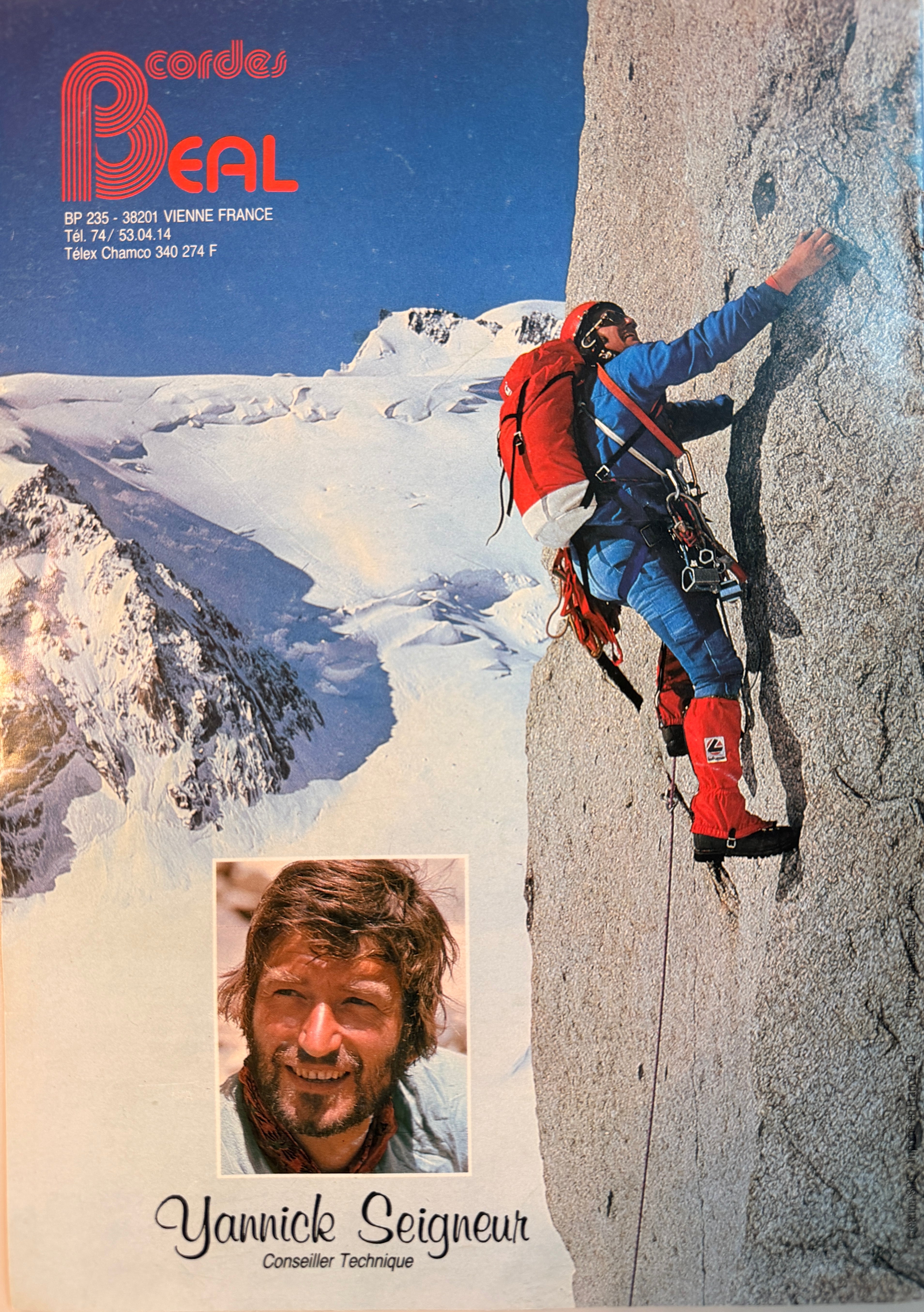
"Michel Beal joined the family business. A year later, at the Grenoble Mountain Trade Show, it became clear: the cords Beal was manufacturing weren't so different, after all, from the ropes used by mountaineers. He decided to steer the company toward a new world: verticality. It was also during this time that he met Yannick Seigneur, a high-mountain guide and engineer, who would advise him in developing Beal's very first dynamic rope.
1978
"A promising young man."
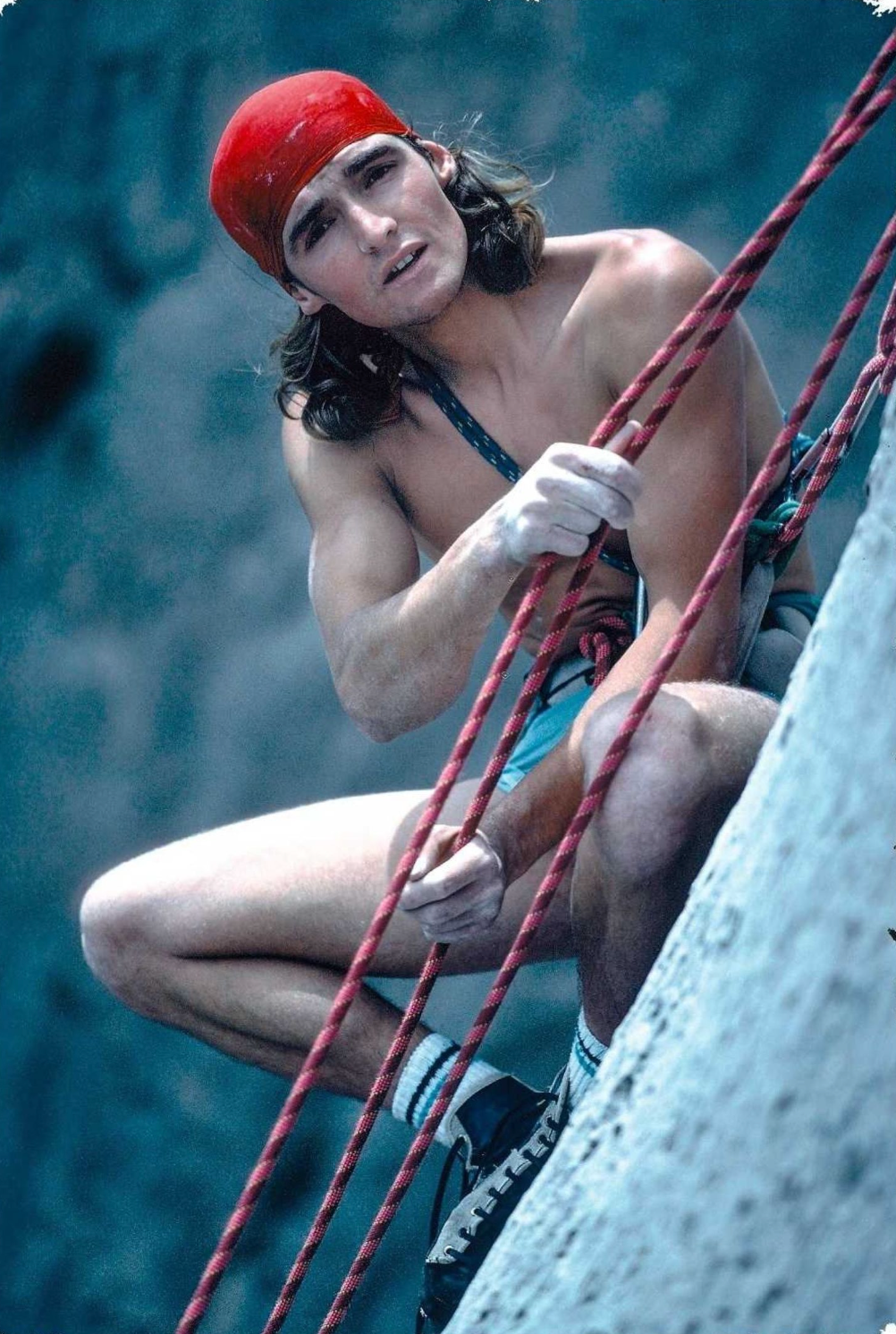
In 1978, Patrick Berhault walked into the Beal factory one day with a young climber he wanted to introduce to Michel Beal. He simply told him it was "a young guy with a future." That young man was Patrick Edlinger.
Edlinger then joined the Beal adventure. A relationship that would quickly grow beyond a simple partnership between a brand and a climber, becoming a friendship that would go on to accompany the rise of modern climbing.
1986
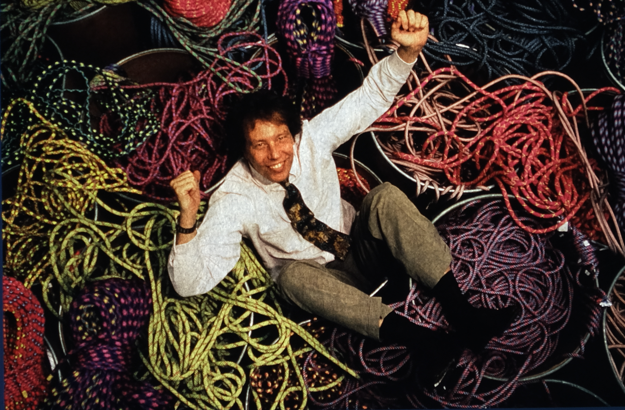
Beal becomes world No. 1
Just ten years after launching its first rope, Beal became the world's leading manufacturer of mountaineering and climbing ropes.
For several years, Beal was one of the few brands to truly listen to this new generation of climbers, adopt its codes, and design for it. Fluorescent colors, a freer identity, closeness with the "Paris gang," athlete sponsorships: the brand supported the rise of a whole new climbing culture.
Above all, Beal developed ultra-dynamic ropes, designed to better absorb the energy of falls — a direct response to the needs of these new climbers who try, fall, get back up, and push their limits. This pursuit of low impact force became one of the brand's technical signatures.
Even today, Beal claims the lowest impact forces on the market, thanks to its nylon treatment process, which allows the rope to absorb more energy during a fall.
1997
The Booster changes the standards
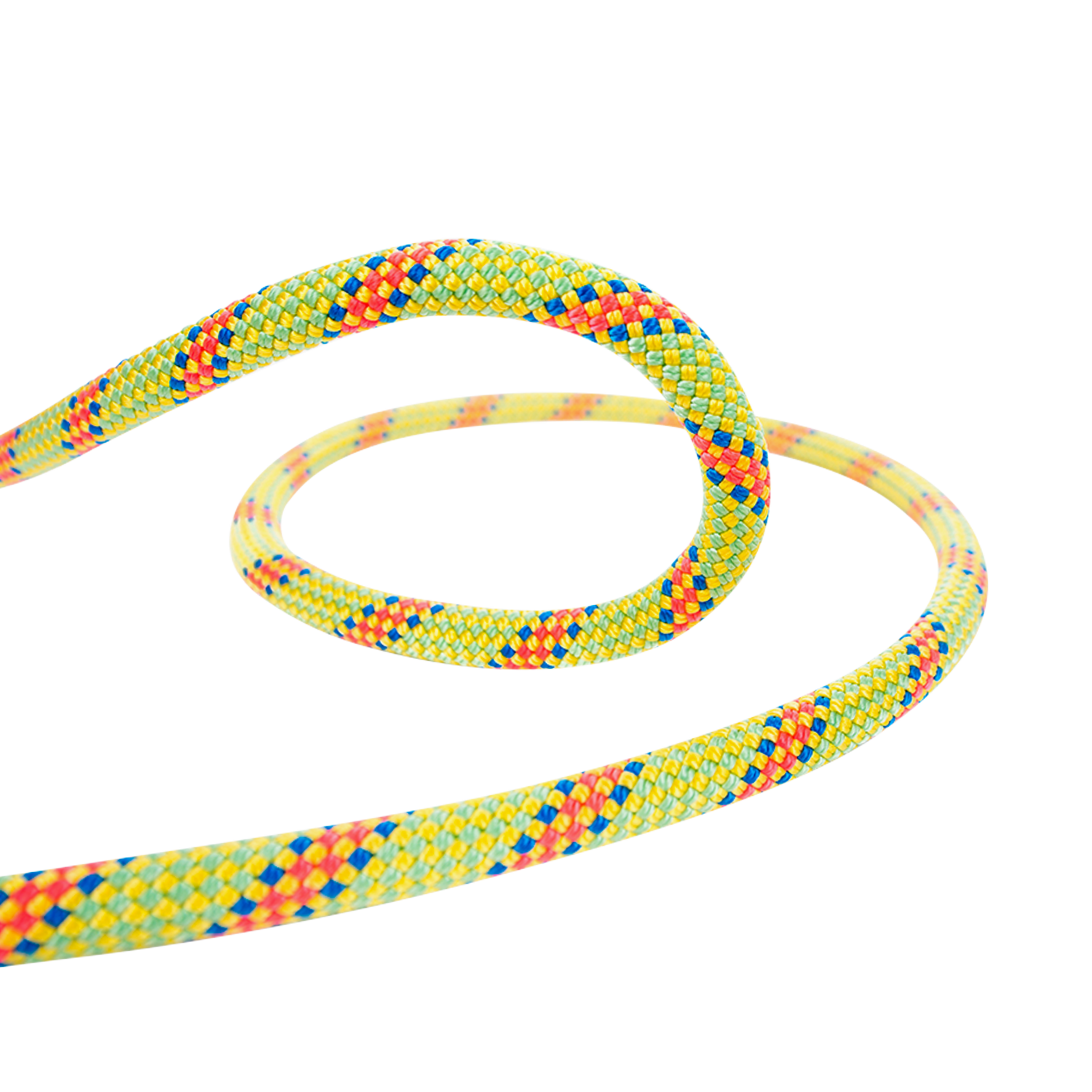
With the Booster, Beal reached a new milestone: it became the first single rope under 60 g/m. Reducing diameter and weight while maintaining the performance of a dynamic rope then became one of the guiding threads of Beal's innovation.
2005
One rope. Three uses. Iconic.
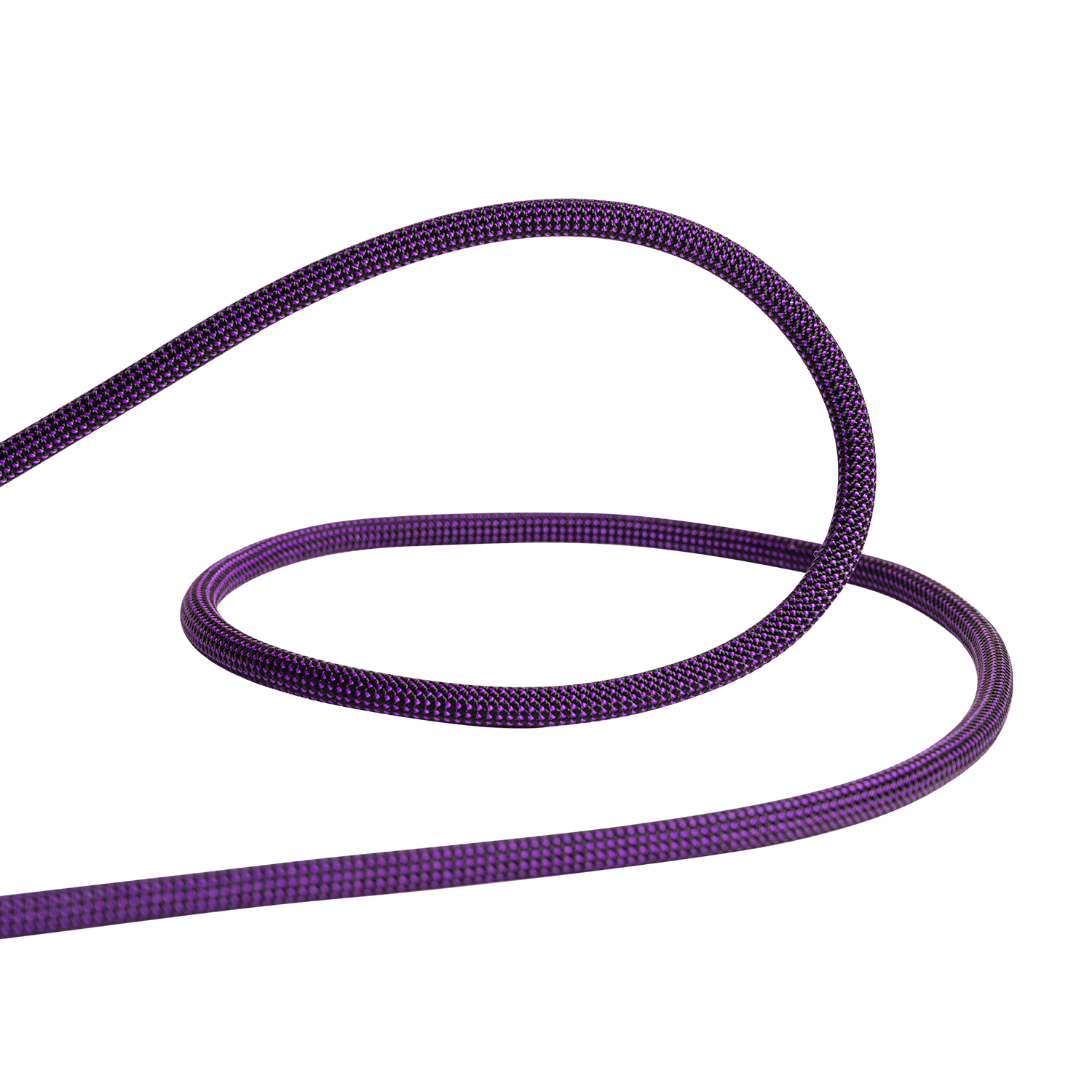
Beal launched the Joker 9.1 mm, the world's first rope to earn all three certifications: single rope, half rope, and twin rope. With its remarkably thin diameter for the time and its versatility, it would go on to become one of the brand's most iconic products.
2006
The core and the sheath are one
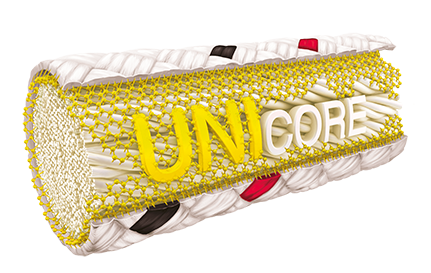
Beal introduces UNICORE technology, which binds the core and sheath of the rope together. An innovation designed to enhance safety and improve the rope's resistance to friction.
2006
Proudly Made in Madagascar
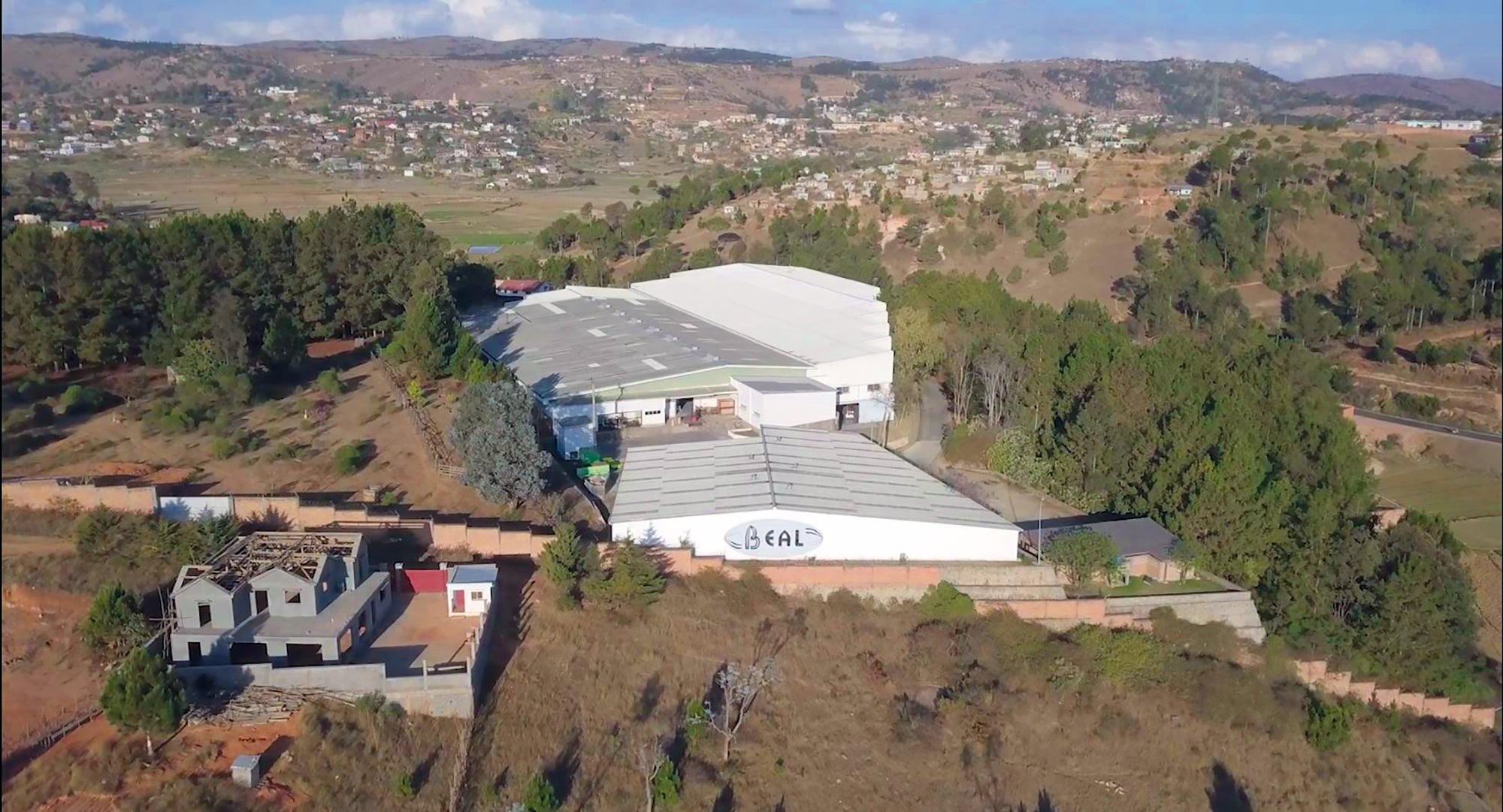
In 2006, Beal opened a 12,000 m² workshop in Madagascar to increase its production capacity. The brand chose to set up there for the local textile expertise, taking over a factory that was about to close. Philippe Beal, Michel's son, then took over the management of the site.
More than just an industrial site, Madagascar became a true extension of Beal's expertise. The absence of a time difference allows the French and Malagasy teams to work together daily, fostering proximity, knowledge transfer, and collaboration.
Proudly made in Madagascar, with the same Beal standards.
2008
One Rope. One Tree.
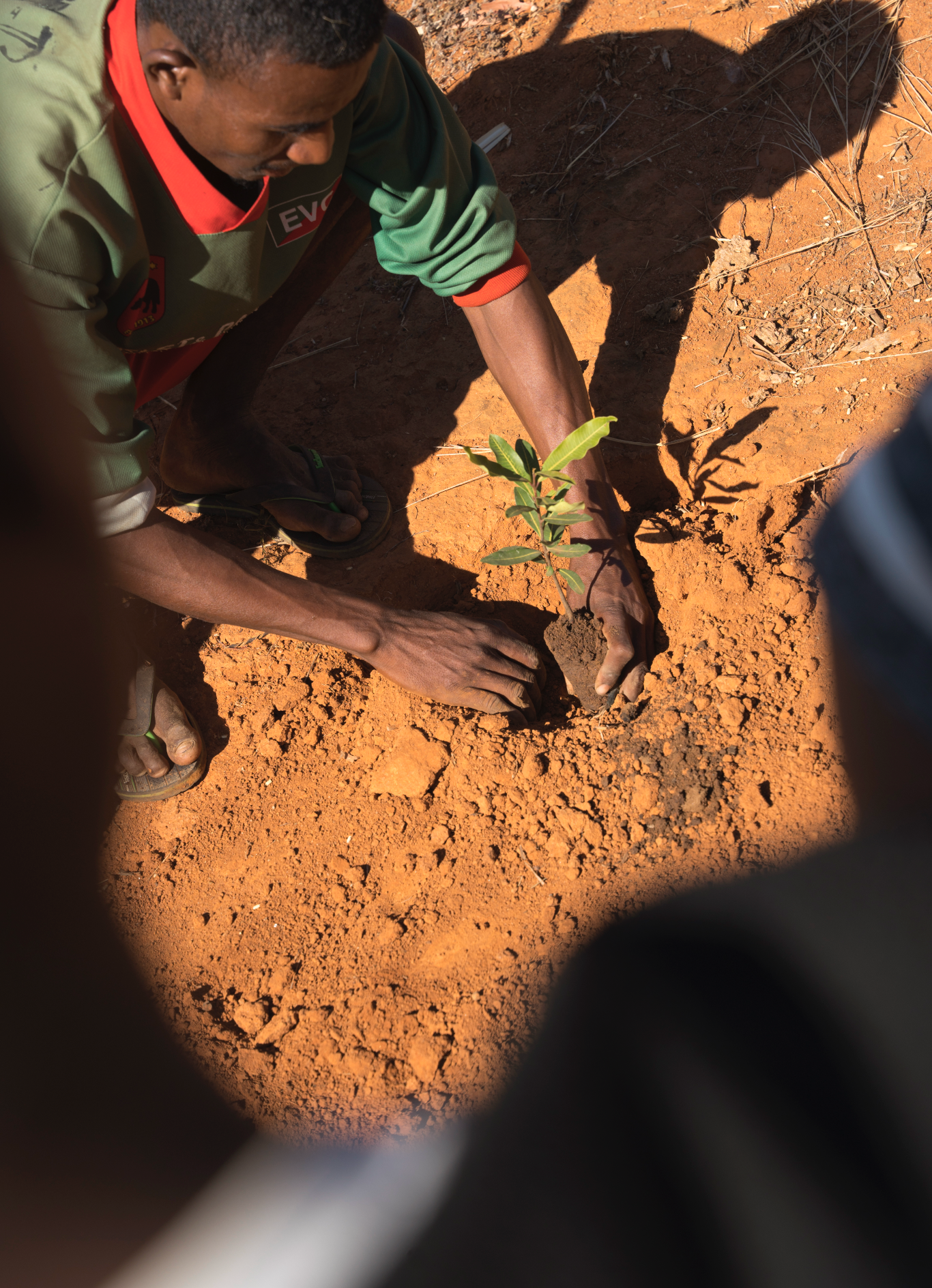
In 2008, Beal launched a simple commitment: for every dynamic rope sold worldwide, a tree is planted in Madagascar.
Over the years, the program has taken on a whole new dimension. Over a million trees have been planted and an entire valley has been reforested. On site, a dedicated association keeps the project alive, creates jobs, and generates local value.
The initiative goes beyond just planting trees. It combines reforestation, biodiversity preservation, and fruit tree cultivation, in order to recreate a sustainable ecosystem while allowing local populations to directly benefit from the resources produced.
2015
48g/m, a new standard
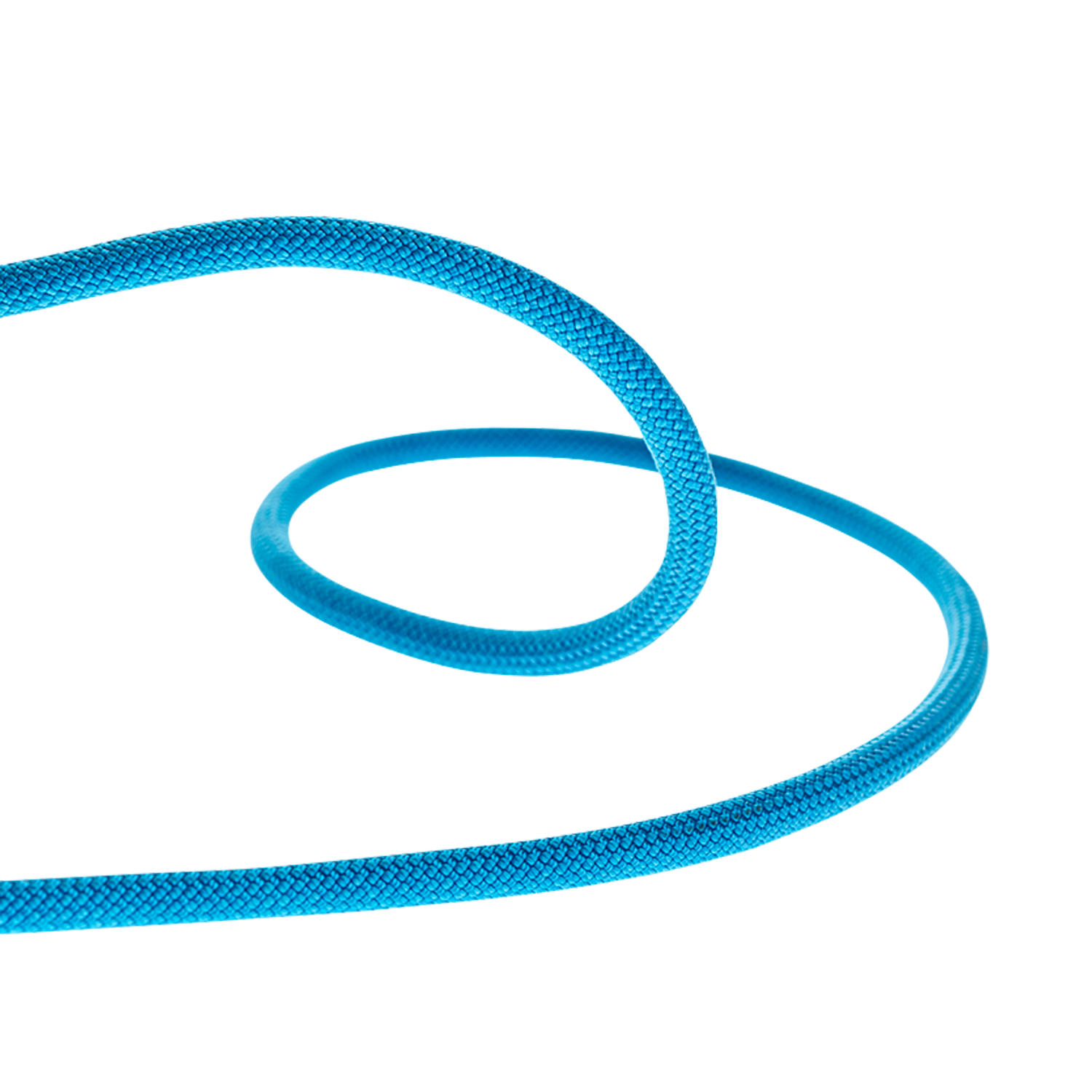
At just 48 g/m, the Opera is the world's first single rope to weigh less than 50 g/m. This marks a new step in Beal's quest for lightness, without compromising the technical requirements of a dynamic rope.
2024
100% recycled
In 2024, Beal launched the Sunrise and the Sunup, the brand's first dynamic ropes made from 100% recycled materials. They were recognized at the French Outdoor Awards for their environmental approach.
In 2026, Beal continued this initiative with the Access Recycled, its first 100% recycled static rope, bringing this technology to the professional world.
From dynamic to static, recycled materials are becoming a new path for Beal ropes.
The mention of the French Outdoor Awards and the 2026 Access Recycled comes from the information you just provided; it does not appear in the 2024 historical document.
2026
50 years of Rope
Fifty years after its first climbing rope, Beal chooses to celebrate its anniversary by putting its history back in motion.
With the Heritage Tour, the brand brings back to life La Boule, a legendary route on Sainte-Victoire freed by Patrick Edlinger in 1984 and considered the first 8a+ in history. The holds of its most iconic section are scanned directly on the cliff, then reproduced to travel to 25 gyms across 9 European countries.
Two versions allow everyone to experience it: the original 8a+ and a 6a+ version using the same scanned holds.
A bridge between the cliff and the gym, between the pioneers and the new generation.